
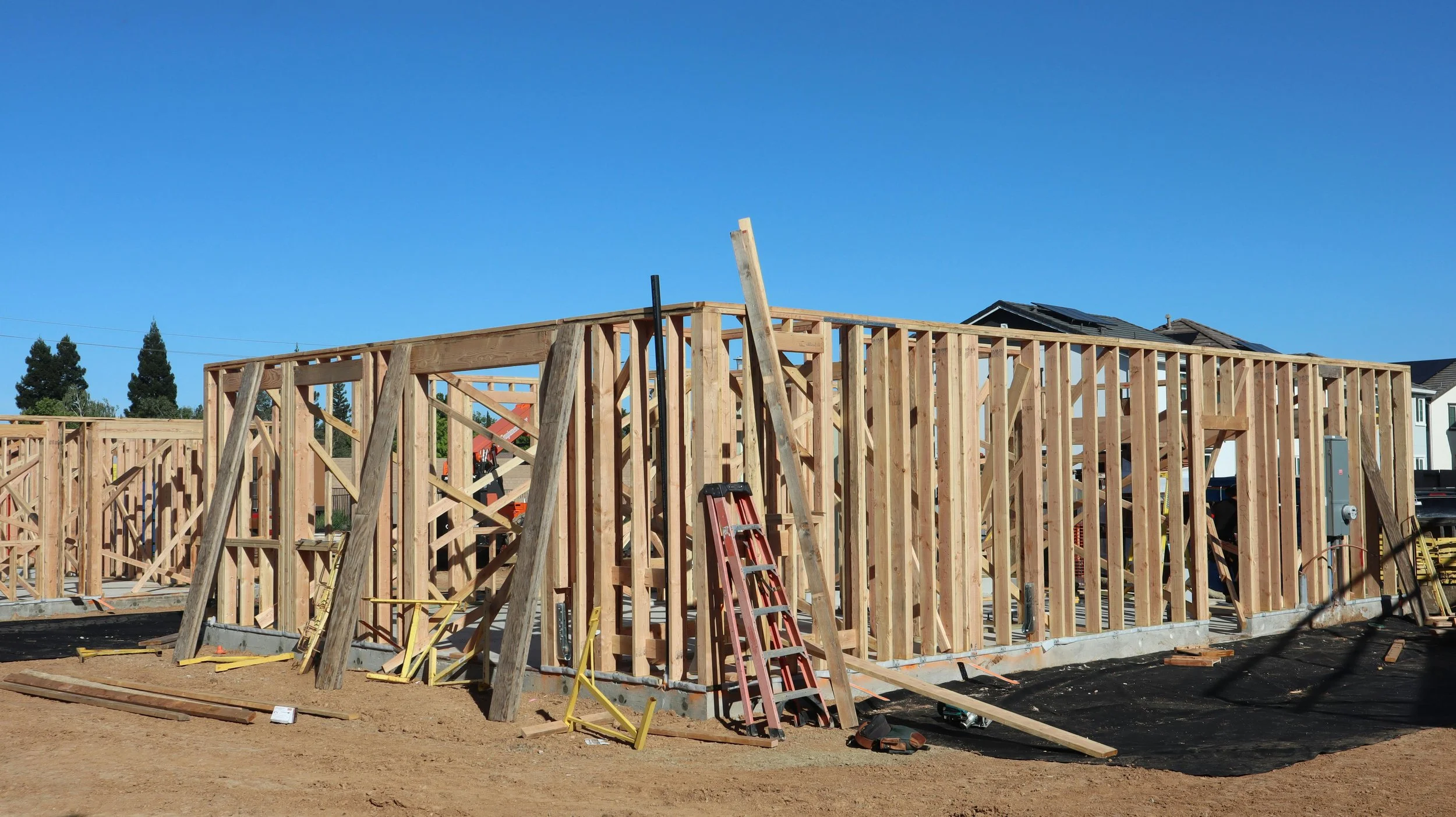
Part 1 in this series covered the insurance claim — the fight over the check. This post is about what happens after the check, or while the check is still being fought over. The rebuild itself, told from the contractor's side of the table.
How long does it take to rebuild a house after a wildfire?
Most wildfire rebuilds in the Western U.S. take 18 to 36 months from total loss to certificate of occupancy. Some run longer. The drivers aren't mysterious: contractor shortages, permit backlogs, WUI code upgrades, materials lead times, and homeowner decision-making on a house that no longer exists. Each piece adds calendar weeks. They stack.
Why is finding a good contractor after a wildfire so hard?
Construction is in crisis mode nationally. There aren't enough skilled trades, the median construction worker is in his forties, and the next generation is still ten years away from filling the gap. A wildfire dropped into that environment compounds it locally. In a small mountain town with maybe twenty contractors, the post-disaster surge collides with the steady demand from wealthy out-of-area buyers building luxury homes — and your rebuild gets bid against that work, on that pricing scale.
A few realities you'll watch play out:
- The labor power dynamic has flipped. Thirty years ago, if a hand showed up late, he was replaced before lunch — ten guys were waiting for the spot. Today the help knows they're locked in. Contractors are desperate enough to keep them that the schedule bends around the crew, not the other way around.
- Good contractors juggle multiple jobs to keep multiple clients happy. Week one your framing crew is at your house. Week two they're at the neighbor's. Week three they're at the big house up the hill. Time delays, then more time delays.
- A disaster somewhere else makes your problem worse. A hurricane hits the Gulf Coast and lumber, drywall, and roofing prices spike across the country. Lead times stretch. Insurance doesn't cover that. It's out of everyone's hands.
Should you rebuild after a wildfire, or take the check and walk away?
Some homeowners don't rebuild — and that's a legitimate decision, not a failure. Once the code upgrades stack up and every "while we're at it" change to the original home gets priced, the rebuild number climbs steadily past the policy limit. From there the options are real but uncomfortable: downsize to what the settlement actually covers, or take the check, sell the lot, and move somewhere with little to no wildfire exposure.
Downsizing is harder than it sounds when you've been living in a certain-size home for years. Relocating is harder than it sounds when the land has been in the family for a generation. Neither choice is wrong. Both are common.
How does wildfire prevention compare to a multi-year rebuild?
Wildfire prevention is materially less expensive, less disruptive, and faster than a multi-year rebuild — and it's the only one of the two you fully control. A documented mitigation package — defensible space, home hardening to WUI standards, and a permanent CitroTech fire inhibitor system from Big Sky Fire Defense — is a known, one-time investment with a documented maintenance schedule. The alternative is the eighteen-to-thirty-six-month ordeal described above, in a labor market that isn't getting easier any time soon.
The cleanest summary of both posts in this series: the claim is harder than homeowners think, the rebuild is longer than homeowners think, and the cheapest, fastest, least disruptive path is the one where the fire never finds a place to ignite in the first place.
Free site evaluation across Montana, Wyoming, and Northern Idaho. A written plan you can take to your agent, your contractor, and your family.
Get Protected NowVisit bigskyfiredefense.com or call 406-422-2716.
About the author. Benton Rooks is the owner of Big Sky Fire Defense. He is an insurance professional and general contractor with thirty years of experience across the West.